







Search Results for: printing defect

Bawang Chaji's second wave of limited-edition packaging for "Ne Zha 2" comes under fire again over printing: ghosting, color deviation, and blurry images are frequently reported.
Chagee recently launched the second wave of its "Ne Zha 2" co-branded limited-edition packaging across stores nationwide. The popular character Ao Guang is printed on paper bags and takeaway cups, sold in a bundle with "Seeking Fragrance Camellia." Buying one cup earns you a matching paper bag. As soon as the news broke, fans rushed to buy them, but after receiving the actual products, they were greatly disappointed: the pattern on the cup body has severe ghosting, so much so that people joked you'd need 3D glasses to see it clearly. The color difference between the themed cup, paper bag, and poster is obvious, and the details are blurred into a mosaic. Many consumers pointed out that the first batch of packaging had already suffered from problems like blurry printing and fading. They had expected the brand to improve its craftsmanship, but unexpectedly the second batch still flopped. In addition, some stores did not use the themed cups as advertised, which harmed the rights of delivery customers. As coffee enthusiasts, Front Street Coffee has also noticed this co-branded merchandise quality control controversy. This article will sort out the whole story and consumer feedback. [more…]
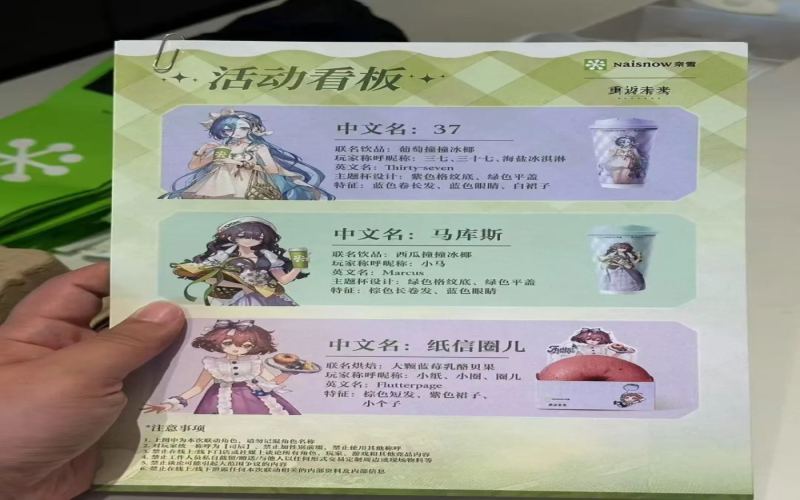
Nayuki Collaborates with "Reverse: 1999" — Merchandise Printing Ghosting and Themed Cup Sticking Issues Spark Player Dissatisfaction
Nayuki's collaboration with the hit game "Reverse: 1999" was supposed to be a fan celebration, but it ran into embarrassment due to quality control issues with the merchandise. The official limited-edition luggage tags were reported by consumers to have ghosting in the printed designs, making the game characters look like their "souls had left their bodies," which was dizzying to look at. At the same time, the collaboration-themed cups caused the peelable small cards to stick together and become damaged due to condensation, greatly reducing their collectible value. The stores' response to requests for exchanges also failed to quell dissatisfaction. Why did this cross-industry collaboration, which was met with high expectations, repeatedly stumble over the details? And how should consumers' experience be safeguarded? [more…]
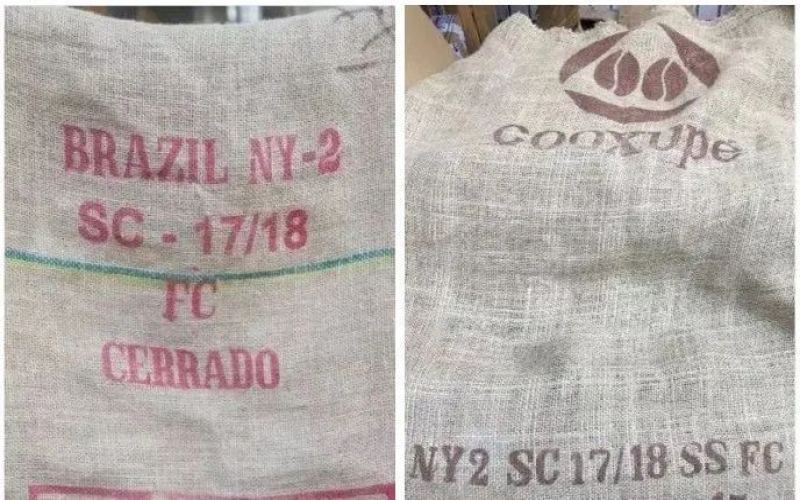
An Analysis of the Brazilian Green Coffee Grading System: From Origin Designations to NY2 — Why Is There No NY1?
On the burlap sacks of Brazilian coffee, a string of seemingly complex codes is often printed, such as "CERRADO NY-2 SC-17/18 SS FC". These letters and numbers are not arranged at random, but are green bean grading information established by the Brazilian Ministry of Agriculture, Livestock and Supply (MAPA), covering region of origin, defect level, screen size, cup performance and sensory grade. Among them, the defect grading starts with "NY", but why does it only go as high as NY2, with no NY1? Behind this lies both historical origins and a close connection to the industrial production characteristics of Brazilian coffee. This article will break down this grading system one by one, and introduce several classic espresso blends from Front Street Coffee that contain Brazilian beans, along with their espresso extraction parameters. [more…]
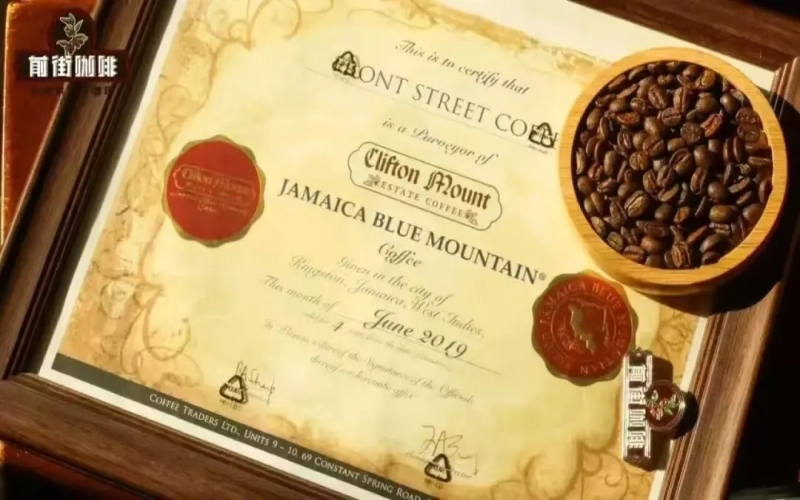
A Detailed Guide to Jamaican Blue Mountain Coffee Grades: Price Differences Between Grade 1 and Grade 2 Beans and Key Identification Points
As one of the world's top coffees, Blue Mountain coffee's grade classification and price differences have always been a focus of attention for coffee enthusiasts. Jamaican law explicitly stipulates that only coffee beans produced in the Blue Mountain region can bear the name Blue Mountain. High-grade Blue Mountain coffee is divided into three grades: No. 1, No. 2, and No. 3. Although the taste is consistent, the bean sizes differ, and the prices also show clear differences. In addition, green beans must be exported in wooden barrels, with the estate, importer abbreviations, and batch information printed on the barrel, along with a green certificate of origin. Defective and flawed beans, however, can only be shipped in gunny sacks or exported after heavy roasting. Understanding these details helps identify authentic Blue Mountain coffee and avoid buying the lowest-grade products. Front Street Coffee reminds you to pay close attention to grade and packaging information when making a purchase. [more…]
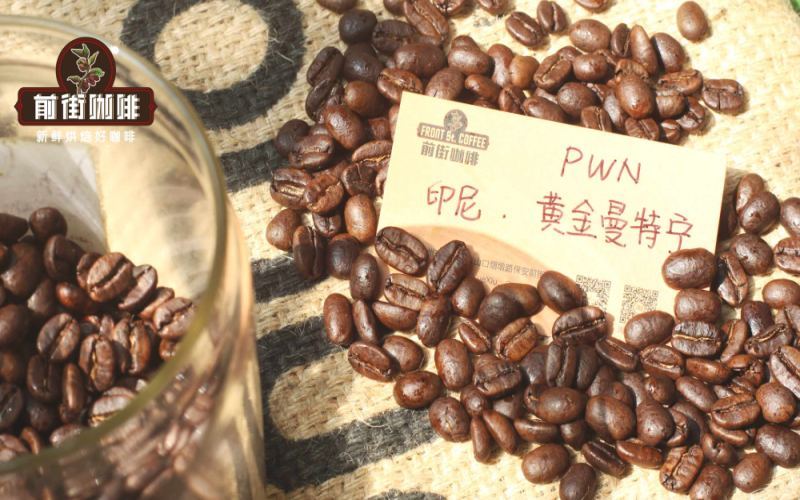
Is Mandheling Worthy of Being Called the World's Most Full-Bodied Coffee? A Complete Analysis of Flavor Characteristics and Variety Distinctions
Mandheling is often dubbed "the world's fullest-bodied coffee," but what does its flavor profile actually look like? This article centers on Front Street Mandheling, describing it across dimensions such as mouthfeel, body, acidity, and herbal aroma, and also sorts out how Mandheling is classified. The article focuses on the origin of Front Street PWN Golden Mandheling and PWN's processing procedures, including wet-hulling, one mechanical sorting plus three rounds of hand sorting, the G1 grade requirement, and the specification of 18 mesh and above. It also explains how to identify Golden Mandheling as a PWN registered trademark, such as certification certificates and green bean jute sacks printed with the company logo, helping readers gain a comprehensive understanding of the Mandheling quality system. [more…]
Why Doesn't Brazilian Coffee Have a NY1 Grade? A Full Analysis of the Cerrado Region's Flavor and Grading Standards
In the coffee-producing regions' grading systems, Brazil is a special case—its highest grade is not 1 but 2. Why does this happen? By what standards exactly are Brazilian coffees graded? Front Street Coffee takes you deep into Brazil's coffee grading system, breaking down the logic behind NY2 one by one, from defect rates and bean size to cup profile. We'll also discuss the flavor characteristics of coffee from Brazil's Cerrado region, and look at Front Street Coffee's daily drinking series—the Brazil Cerrado and the Front Street Coffee Brazil Queen's Farm Yellow Bourbon—to see how these two top-grade Brazilian coffees actually perform. [more…]
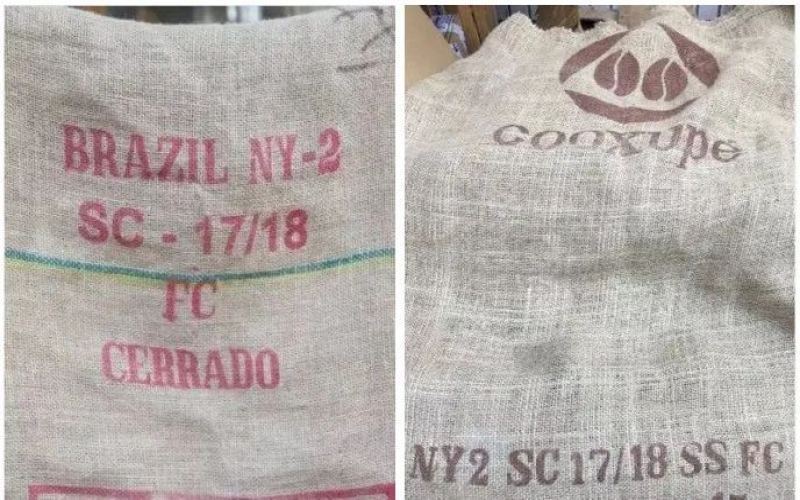
What Do SS and FC Mean on Brazilian Coffee Sacks? A Full Breakdown of Brazil's Green Coffee Grading System
Brazil, as the world's largest coffee producer, accounts for about one-third of the global market in exports. Its beans have a flavor profile that is low in acidity and high in sweetness, with a full-bodied mouthfeel, and they are often used in coffee blends. When purchasing Brazilian green beans, you will often see markings such as "CERRADO NY-2 SC-17/18 SS FC" printed on the burlap sacks, where every letter and number corresponds to strict grading information. These codes are established by the Brazilian Ministry of Agriculture, Livestock and Supply (MAPA) and cover five major dimensions: producing region, defect rate, screen size, cup score, and sensory grade. This article will break down the meanings of symbols such as "SS" and "FC" one by one to help coffee enthusiasts understand the complete quality profile of Brazilian beans. [more…]
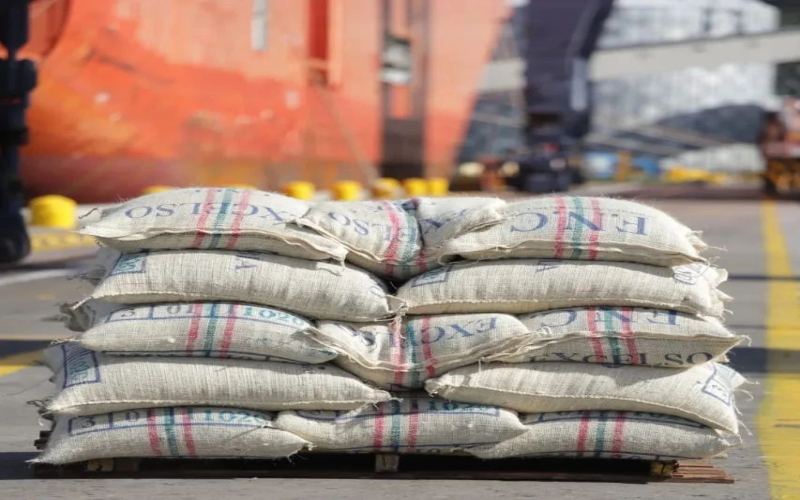
A Detailed Explanation of Colombian Green Coffee Bean Grading: The Meaning of Excelso and Supremo, and Front Street Brand Recommendations
Colombian coffee occupies an important place in the world of specialty coffee, and its green bean grading system is based primarily on defect rates and bean screen size. When buying Colombian coffee, what exactly do the words "Supremo" and "Excelso" commonly seen on burlap sacks mean? This article will systematically sort out the grading rules for Colombian green coffee beans from multiple angles, including export standards, defect scoring, and screen-size classification, and explain the specific differences among the three grades UGQ, EP, and Supremo. At the same time, the article will also introduce common Colombian coffee bean brands on the market, including product information recommended by Front Street Coffee, to help coffee lovers more clearly understand the grade and quality of the bag of beans in their hands. [more…]
Understanding Coffee Bean Grading Standards Through Blue Mountain Coffee: Screen Size, Barrel Packaging, and Export Regulations Explained
Jamaican Blue Mountain coffee is globally recognized as one of the top coffees, but do you know how it is graded? This article will guide you through the basis for grading Blue Mountain coffee—screen size—and the strict cupping confirmation process. From No. 1 to No. 3, coffee beans of different screen sizes show no difference in taste, but there is a distinction between wooden barrels and burlap sacks for green bean packaging. Barrel-packed Blue Mountain coffee also comes with a certificate of origin, and the barrel is printed with information about the estate and importer. In addition, the Jamaican government has clear regulations on the export of defective beans and coffee beans with taste issues. Front Street Coffee reminds you that understanding this grading knowledge helps in identifying authentic Blue Mountain coffee. [more…]
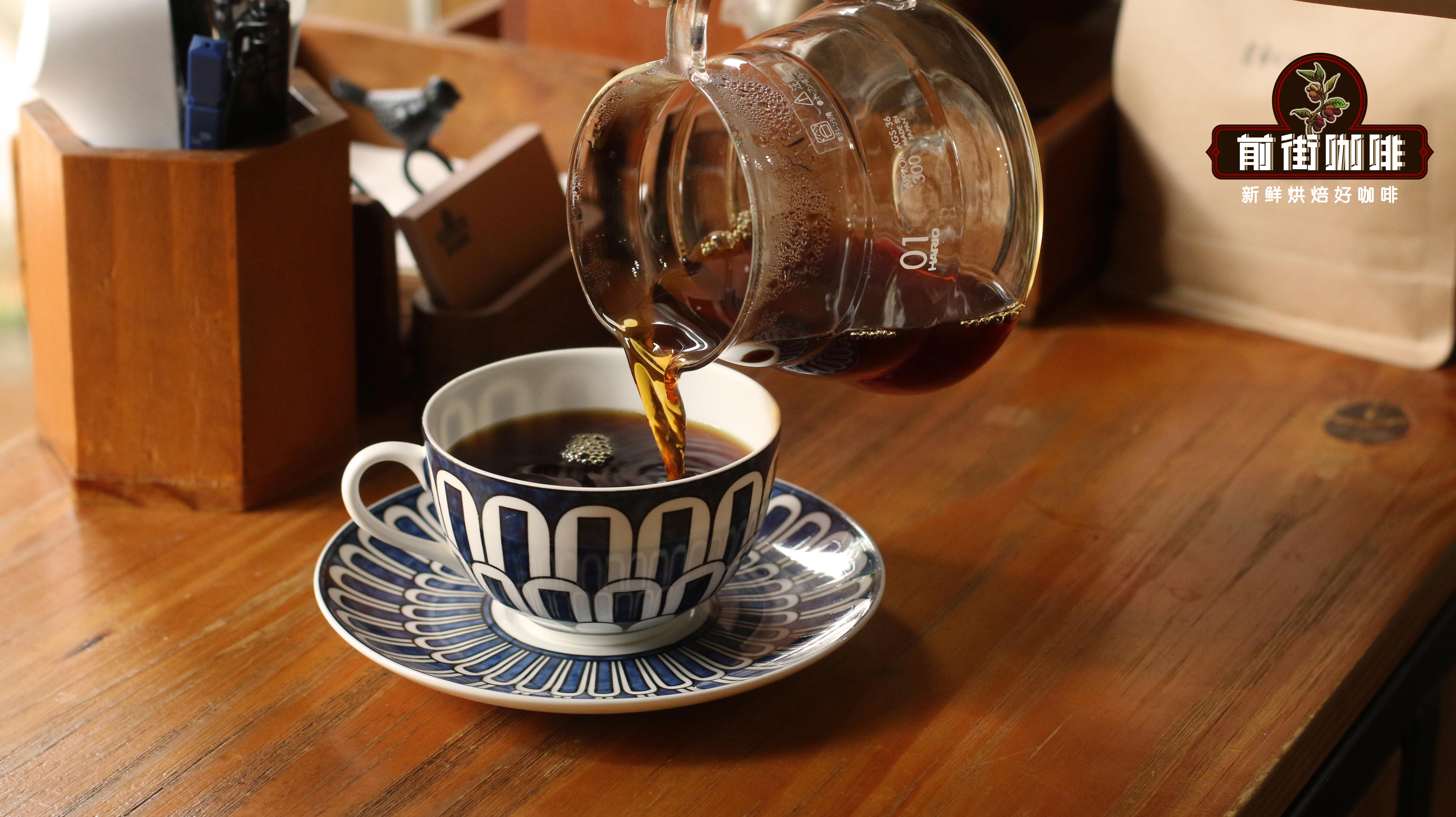
Can a moka pot also make Blue Mountain coffee? A complete demonstration and cost analysis of pour-over and moka pot Blue Mountain latte
Blue Mountain coffee, produced in Jamaica's legally designated region, has long been regarded as a treasure among coffees. Some readers have asked whether Front Street Blue Mountain No. 1 coffee beans can be used to make moka pot coffee. The answer is yes, but only on the condition that you choose an authentic bag of Blue Mountain. This article will systematically sort out the purchasing and identification of Blue Mountain coffee, the CIB certification system, the grading standards, and the quota history, and will demonstrate brewing Front Street Blue Mountain No. 1 using two methods: pour-over and moka pot. Finally, it will present the complete process of making a moka pot Blue Mountain Americano and a Blue Mountain Latte, helping coffee lovers enjoy authentic Blue Mountain flavor at home. [more…]
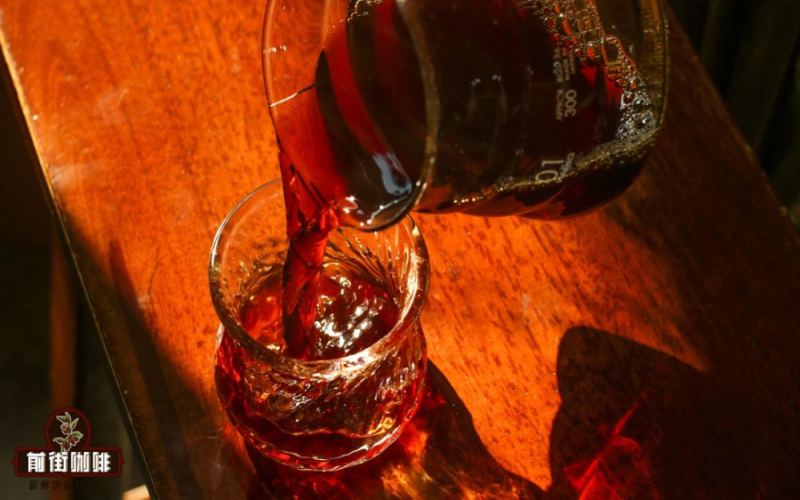
A Detailed Guide to Mandheling Coffee Bean Grading Standards: From Defect Bean Classification to Specialty Golden Mandheling Flavor and Pour-Over Techniques
Mandheling coffee has always been renowned for its mellow richness, but do you know how its grades are actually classified? The grading of Indonesian Mandheling is mainly based on the number of defective beans, supplemented by bean size. From the perspective of Front Street Coffee, this article systematically sorts out nine common types of defective beans, explains Indonesia's G1 grading standard in detail, and takes an in-depth look at why the Golden Mandheling produced by PWN is regarded as the cream of the crop. In addition, we will also share Front Street Coffee baristas' complete pour-over recipe for dark-roasted Mandheling, including dripper selection, grind size, water temperature, and the three-pour technique, to help you brew a clean, sweet, rich, and full-bodied Golden Mandheling at home. [more…]
Analysis of Mandheling Coffee Flavor Characteristics: A Complete Guide to PWN G1 and Golden Mandheling Brewing Methods
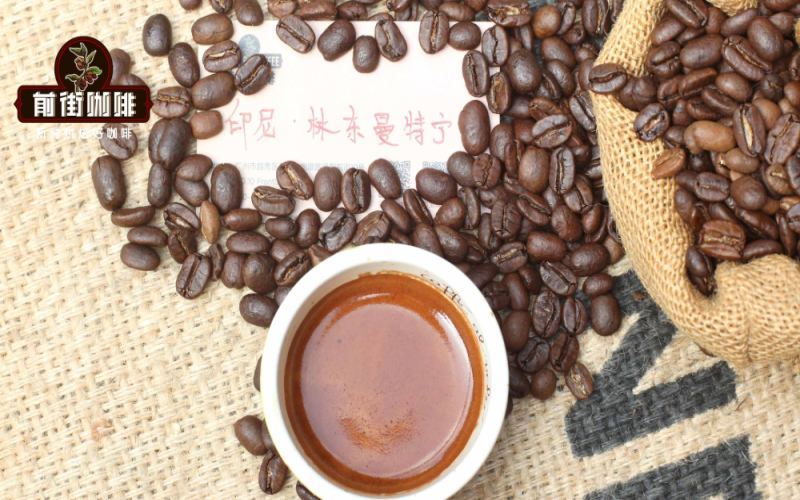
Mandheling coffee, with its rich, deep, low-toned style, has a large and loyal following in the Asian market, but its high proportion of defective beans has also made it a highly talked-about single-origin coffee. Indonesian green bean trader PWN, through strict machine sorting and manual hand sorting, has elevated Mandheling from the Gayo Mountain growing region in Aceh to G1 grade and registered the trademark "Golden Mandheling," giving it a cleaner flavor profile. The Golden Mandheling sold by Front Street Coffee comes from PWN and is given a medium-dark roast, known for its notes of nuts, caramel, and chocolate. This article will begin with Mandheling's varietal characteristics, PWN's grading system, and the growing region and varietal background of Golden Mandheling, and will also include Front Street's recommended pour-over parameters and staged pouring technique to help coffee lovers brew a cup of Golden Mandheling with rich layers and a long-lasting sweet aftertaste at home. [more…]
A Detailed Guide to Jamaican Blue Mountain Coffee Grades: Grade 1, Grade 2, Grade 3 Specifications and Authentic Price Reference
Jamaican Blue Mountain coffee is world-renowned for its unique flavor and strict controls. Jamaican law stipulates that only coffee beans grown in the Blue Mountain region may bear the name "Blue Mountain." High-grade Blue Mountain coffee is divided into three grades—No. 1, No. 2, and No. 3—corresponding respectively to screen size standards of 17–18 mesh and above, 16 mesh, and 15 mesh. The green beans of all three grades must be packed into wooden barrels for export, with the barrel bearing the estate name, importer's abbreviation, and batch information, along with a government-certified green certificate of origin. Understanding these grades and export regulations helps coffee enthusiasts verify authenticity and make informed purchases of genuine Blue Mountain coffee. Front Street Coffee recommends that consumers pay attention to the roast level and packaging format to judge the true quality of the Blue Mountain coffee in their hands. [more…]
Indonesian Golden Mandheling Coffee Explained: PWN Prawira Nusantara Estate, Ateng Variety Processing Method, and Flavor Description
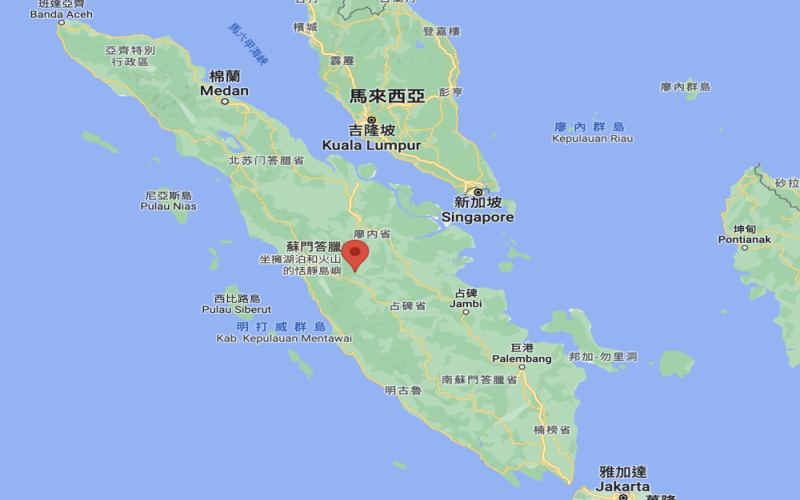
Golden Mandheling is a premium representative of Indonesian Mandheling coffee, registered and defined by PWN Puwani Company. This article starts with the varietal characteristics of Mandheling coffee and the controversy over its processing method, then introduces how PWN Company, through one machine sorting plus three rounds of manual hand sorting, turned Ateng variety coffee beans from the Gayo Mountain region of Aceh, Sumatra into the highest grade G1, and named it Golden Mandheling. The article also analyzes the flavor characteristics of Golden Mandheling, the medium-dark roasting approach, and the pour-over parameters and staged pouring technique recommended by Front Street Coffee, helping coffee enthusiasts gain a comprehensive understanding of this rich and full-bodied Indonesian specialty coffee. [more…]
A Comprehensive Guide to Mandheling Coffee: The Relationship Between Golden Mandheling and Regular Mandheling and Key Buying Tips
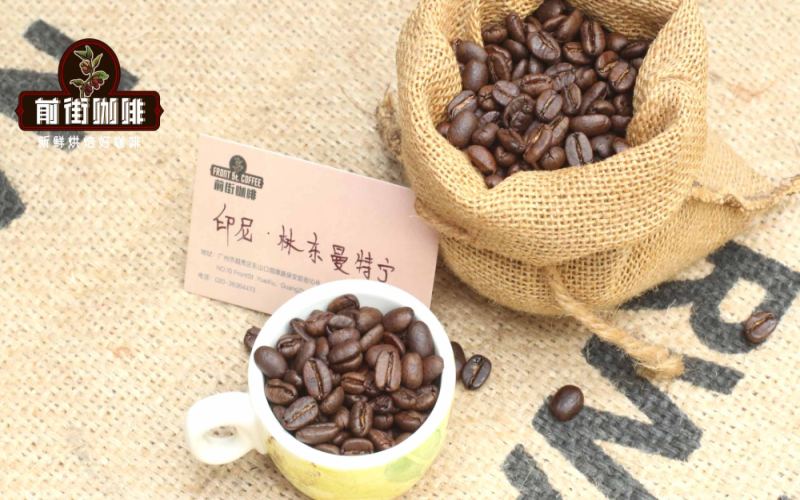
Mandheling coffee is a representative coffee from the Sumatra region of Indonesia, beloved for its unique wet-hulling process and herbal, spicy flavor. This article will start with Mandheling's basic flavor characteristics, suitable roasting methods, and drinking occasions, then introduce the differences and connections between Golden Mandheling and regular Mandheling. We will also delve into the role of PWN in the production of Golden Mandheling, including its strict screening standards and G1 grade requirements, as well as how to identify authentic Golden Mandheling coffee beans. At the same time, the article also retains product information and recommendations related to the Front Street Coffee brand. [more…]

A Comprehensive Analysis of the Production Region Characteristics of Jamaican Blue Mountain Coffee and the Functions of the CIB Authority
Jamaican Blue Mountain coffee is renowned worldwide, but its success was not achieved overnight—it went through a long and winding development journey. From the back garden of King Louis XIV's Palace of Versailles in 18th-century France, to its spread to the Caribbean island of Martinique, and then to its introduction and promotion in the Saint Andrew region of Jamaica, the rise of Blue Mountain coffee is inseparable from one key institution—the Jamaica Coffee Industry Board (CIB). The CIB not only delineated the legally designated production area for Blue Mountain coffee, but also regulated variety selection, cultivation techniques, quality grading, and cupping standards, making Blue Mountain coffee a benchmark for the world's specialty coffee. This article will provide an in-depth analysis of the production area characteristics of Blue Mountain coffee, the history and functions of the CIB, and the key points for identifying authentic Blue Mountain coffee such as Front Street Blue Mountain No. 1. [more…]
Indonesian Golden Mandheling Coffee Beans: A Complete Guide to PWN Brand Grades, Wet-Hulled Processing, and Medium-Dark Roast Brewing
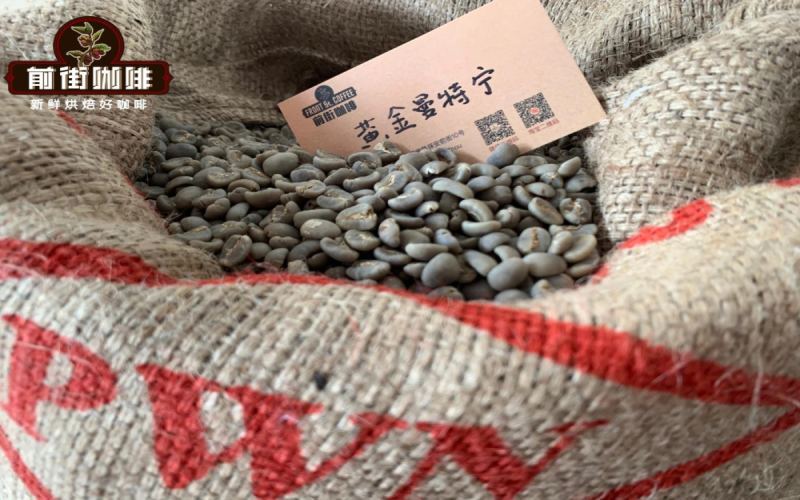
Mandheling is the representative of Indonesian coffee, and the Golden Mandheling produced by PWN is the finest among them. Starting from Front Street's daily bean list, this article introduces the brand background and grade standards of PWN Golden Mandheling, analyzes the grading system for Indonesian green coffee beans, and takes a deep dive into the terroir logic of the Sumatra producing region and the wet-hulled processing method. At the same time, Front Street will share the flavor characteristics and brewing parameters of medium-dark roasted Golden Mandheling, including water temperature, grind size, and a segmented extraction plan using the Kono dripper, helping coffee enthusiasts recreate a cup of rich, clean, classic Mandheling at home. [more…]
How much does Blue Mountain coffee cost? How can you tell if it's authentic? Front Street Coffee teaches you two methods: pour-over and moka pot.
Blue Mountain coffee has long been regarded as a treasure among coffees due to its rarity and unique flavor. In the early years, the lack of proper import channels in China led to a flood of counterfeit goods on the market. Today, buying authentic Blue Mountain is no longer difficult, but how to identify, grade, and brew it remains a concern for many enthusiasts. This article will guide you through Blue Mountain coffee's certification system, grading standards, quota history, and varietal characteristics, and share two brewing methods for Front Street Blue Mountain coffee—pour-over and moka pot—so you can savor the richness and delicacy of Blue Mountain coffee at home. [more…]
A Complete Guide to Authenticating Jamaican Blue Mountain Coffee, Its Grading System, and Brewing Flavor Analysis
Blue Mountain coffee is hailed as the pinnacle of coffee, yet the market is flooded with both genuine and counterfeit beans, leaving many enthusiasts confused. This article begins with the certification system of the Jamaica Coffee Industry Board (CIB) and systematically outlines the legal growing region, authorized purchasing channels, grading standards, and historical quota story of Blue Mountain coffee, while also introducing the characteristics of its Typica variety. The article also shares in detail the brewing parameters and flavor performance of Front Street Jamaican Blue Mountain coffee, including dry aroma, wet aroma, mouthfeel layers, and specific recommendations for different extraction methods such as pour-over, French press, and AeroPress, helping readers gain a comprehensive understanding of the identification points and tasting methods for this legendary coffee. [more…]
Why Has Harar Coffee Gone from One of the Big Three Regions to Scarce? A Deep Dive into Its Historical Origins and Current Situation
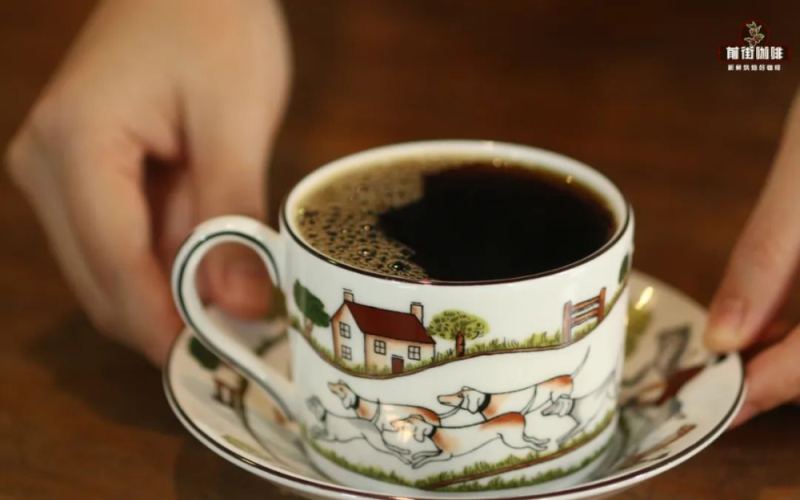
Harar was once known, alongside Sidamo and Yirgacheffe, as one of Ethiopia's three major coffee regions, and it took the world by storm with its wild chocolate and red wine fermentation flavors. Yet today it is rarely seen on the market. This article begins with the historical origins of Yemen's Port of Mocha, traces the rise of Harar coffee, and takes a deep look at the multiple reasons behind its sharp decline in production, unstable quality, and the imbalance between price and quality, giving you a clear view of the entire process by which this legendary region fell from prosperity to decline. Finally, it includes the store information for Front Street Coffee. [more…]